
Background
🇨🇦 カナダ向け輸出

日本からカナダへの
中古重機・車両輸出

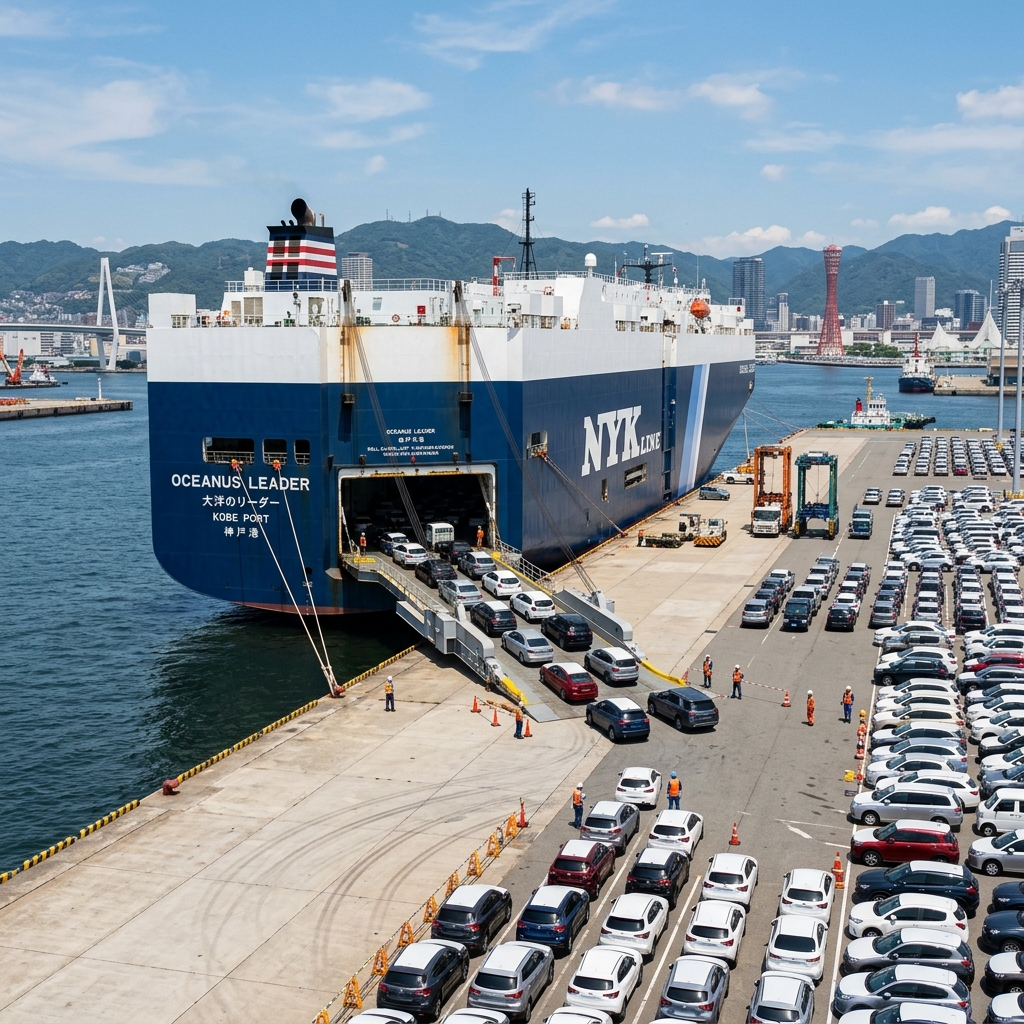
カナダの資源豊かな経済は鉱業、林業、インフラのための信頼性の高い重機を必要としています。名古屋からバンクーバーへ12〜15日で輸出しカナダ中古市場より大幅に安い価格を提供します。

🚢 12-35 days

名古屋港からの輸送時間

📍 Vancouver / Montreal

到着港

✅ RoRo & Container

輸送方法

輸送情報

名古屋からバンクーバーへ12〜15日、モントリオールへパナマ運河経由30〜35日。定期便あり。

輸入規制・関税

  • Canada CBSA requires all commercial importers to have a valid Business Number (BN) for import transactions. Most used construction machinery enters Canada under HS Chapter 84 at 0% import duty under Canada's MFN tariff schedule. CFIA biosecurity requirements apply for all used machinery - we arrange pre-export cleaning and provide CFIA-compliant documentation for smooth border clearance at Vancouver, Prince Rupert, or Montreal.
  • Transport Canada safety standards apply to road vehicles but non-road construction equipment such as excavators, bulldozers, and agricultural tractors has a more straightforward import pathway under CBSA procedures. We recommend confirming applicable compliance requirements for your specific machine category with a licensed Canadian customs broker before finalizing your purchase from Japan.

カナダで人気の機材カテゴリー

カナダへの輸出 — よくある質問

How long does shipping take from Japan to Canada?
Transit time from Japan to Vancouver or Prince Rupert on the West Coast is typically 12-16 days. Montreal and Halifax on the East Coast take 22-28 days routing via Panama Canal. We ship RORO from Nagoya, Yokohama, and Osaka depending on vessel schedule and your destination port.
What documents are required for importing used machinery into Canada?
Canada Border Services Agency (CBSA) requires Bill of Lading, Commercial Invoice, Packing List, and Export Certificate from Japan. CFIA (Canadian Food Inspection Agency) biosecurity requirements apply for all used machinery - machines must be clean and free of soil, plant material, and seeds on arrival. We arrange pre-export cleaning at our Japan yard and provide CFIA-compliant cleaning declarations for all Canada-bound shipments.
Is CIF pricing available to Canadian ports?
Yes. We offer CIF pricing to Vancouver, Prince Rupert, Montreal, and Halifax. Vancouver and Prince Rupert on the West Coast are our most common Canadian destinations with shortest transit time from Japan. Contact us with your machine requirements for a full CIF Canada quote.
What machinery is most popular for Canadian construction and mining buyers?
Komatsu PC200 and Hitachi ZX200 excavators are most popular for Canadian civil construction buyers sourcing from Japan at 20-40% below Canadian domestic market prices for equivalent specification. Komatsu WA380 and CAT 966 wheel loaders are popular for Canadian quarry and mining operations. Kubota L series and Yanmar compact tractors are in strong demand from Canadian hobby farm and rural property owners wanting reliable Japanese equipment at competitive import prices.
What import duty applies to construction machinery in Canada?
Most used construction machinery imported into Canada from Japan falls under HS Chapter 84 with applicable MFN duty rates typically 0% for most categories. Canada and Japan do not currently have a bilateral free trade agreement but most construction machinery already enters at low or zero MFN duty. Confirm the exact HS code and applicable duty rate with your Canadian customs broker before purchase.
What biosecurity requirements apply to machinery imported into Canada?
CFIA requires all used machinery imported from Japan to be clean and free of soil, plant material, and seeds before arrival. Machinery found to have organic contamination on arrival may be subject to mandatory cleaning at the importer's cost. We arrange pre-export cleaning at our Japan yard and provide CFIA-compliant cleaning documentation for all Canada-bound shipments as standard.

カナダ向けのお見積もり

名古屋からVancouver / Montrealまでの輸送費込みのお見積もりをお出しします。お気軽にお問い合わせください。

お問い合わせ →